Technology

Healthy Living

Artificial Intelligence and Machine Learning

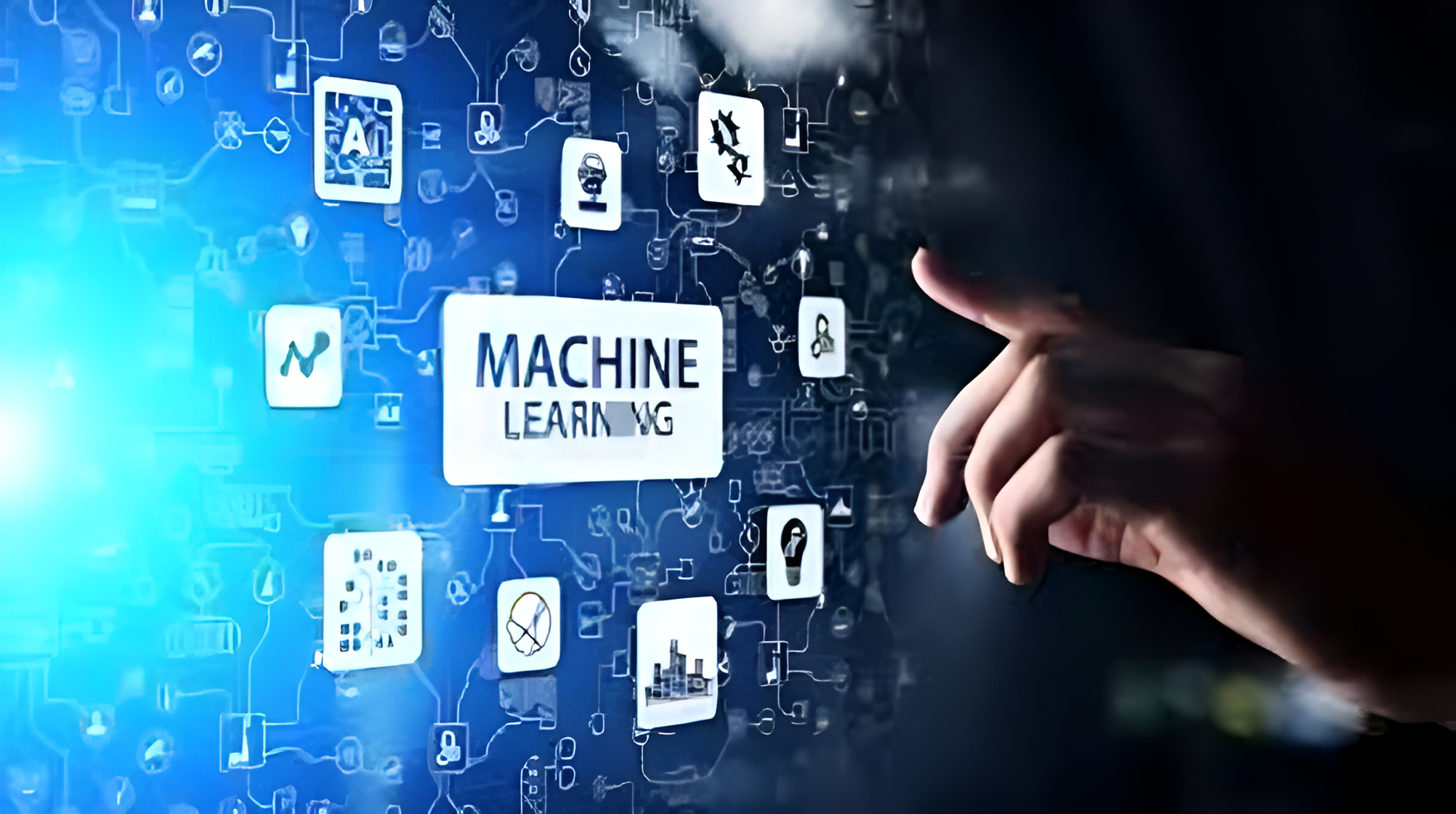
Artificial Intelligence (AI) and Machine Learning (ML) have transformed the way modern technology interacts with human behavior and decision-making. AI refers to machines or systems that mimic human intelligence to perform tasks like problem-solving, understanding language, and recognizing patterns. Machine Learning, a subset of AI, involves algorithms that allow computers to learn from and make predictions or decisions based on data. Today, ML is used in various industries such as healthcare, finance, marketing, and transportation to analyze massive datasets quickly and accurately. AI-powered virtual assistants like Siri, Alexa, and Google Assistant are now part of daily life, helping users with tasks from setting reminders to controlling smart home devices. These technologies are also revolutionizing industries by making operations more efficient and intelligent. For instance, in healthcare, ML can assist in diagnosing diseases by analyzing medical images or historical patient records. As these systems become more advanced, the ethical implications and the need for transparent AI also become crucial, ensuring that progress in intelligence does not come at the cost of privacy or fairness.

Work-Life Balance

Internet of Things (IoT) and Smart Living

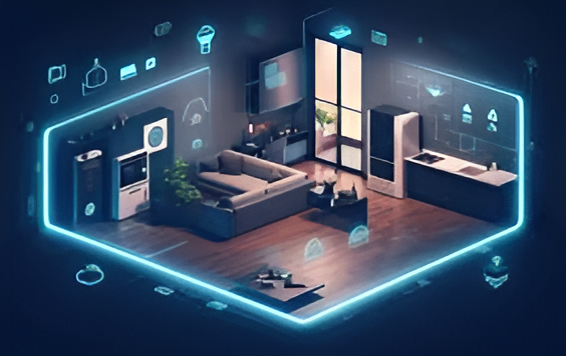
The Internet of Things (IoT) represents a network of physical devices embedded with sensors, software, and other technologies that enable them to connect and exchange data with other devices over the internet. From smart thermostats that learn your preferences to wearable fitness trackers monitoring your health in real-time, IoT is reshaping how we live and interact with our environment. In smart homes, IoT devices can automate tasks such as lighting, security, energy management, and even grocery shopping. Beyond consumer use, IoT is widely used in industrial sectors to monitor machinery, manage supply chains, and improve safety. Smart cities powered by IoT can optimize traffic flow, reduce energy consumption, and provide better public services by analyzing data from countless sources. However, with all this connectivity comes the critical need for robust cybersecurity, as the more connected devices there are, the greater the potential attack surface for hackers. Despite these challenges, IoT continues to push the boundaries of innovation, making everyday life more convenient, efficient, and data-driven.

Financial Stability

Cloud Computing and Data Storage

Cloud computing has revolutionized how individuals and businesses store, access, and manage data. Rather than relying on local servers or personal devices, users can now leverage the power of the cloud to access vast amounts of data and powerful computing resources from anywhere with an internet connection. Platforms like Amazon Web Services (AWS), Microsoft Azure, and Google Cloud provide scalable and flexible infrastructure that supports everything from web hosting and app development to machine learning and data analytics. The cloud also facilitates collaboration, allowing teams to work together on projects in real-time from different locations. Moreover, businesses benefit from reduced IT costs and the ability to quickly scale their operations as needed. Backup and recovery solutions offered by cloud providers ensure that data is secure and recoverable in case of hardware failures or cyberattacks. As data continues to grow exponentially, cloud computing will play a key role in handling the storage and computational demands of tomorrow’s technologies.

Social Connections

Robotics and Automation in Industry

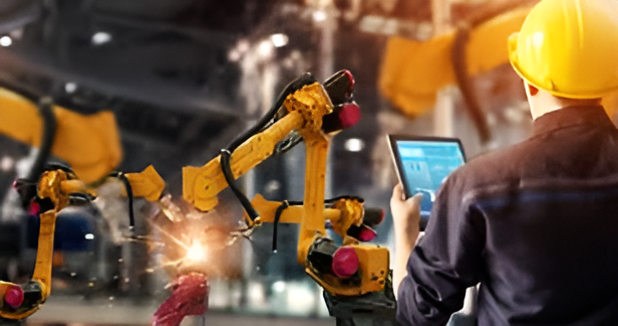
Robotics and automation are reshaping the industrial landscape, improving productivity, safety, and efficiency across various sectors. In manufacturing, robots have taken over repetitive, dangerous, and highly precise tasks, leading to increased production speeds and reduced error rates. These machines can operate 24/7, which significantly boosts output while minimizing human fatigue. In warehouses, automation systems manage inventory, sort packages, and streamline logistics operations, exemplified by companies like Amazon using robotic arms and autonomous vehicles. The medical field has also embraced robotic surgery, enabling minimally invasive procedures with higher precision and faster recovery times for patients. Agricultural robots help farmers with planting, watering, and harvesting crops, optimizing yields with minimal human intervention. Despite concerns about job displacement, robotics creates new opportunities in areas like robot maintenance, programming, and system management. As AI becomes more integrated with robotics, the machines of the future will not only perform physical tasks but also make decisions, adapt to environments, and work safely alongside humans in shared spaces.

Share Your Story