Food

Healthy Living

The Cultural Significance of Food Across the World

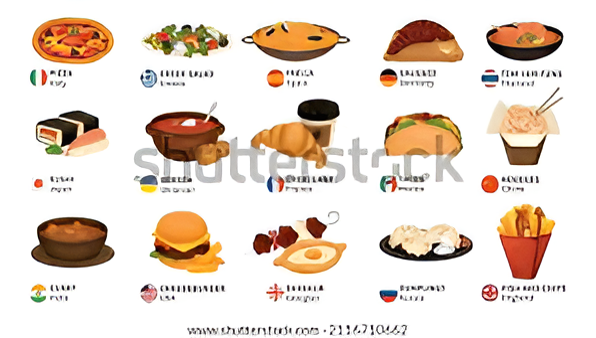
Food is much more than sustenance; it is a central thread that weaves through the fabric of every culture. From the rich spices of Indian cuisine to the minimalist elegance of Japanese dishes, each culinary tradition tells a story of history, geography, and community. Food is a powerful expression of identity and heritage, passed down through generations not just through recipes, but through rituals, celebrations, and memories. Festivals often revolve around traditional dishes, and family gatherings are incomplete without favorite meals that have emotional ties. Understanding a country's food is a gateway to understanding its people and values. Whether it’s a French croissant baked with centuries of artisanal tradition, or a homemade pot of Nigerian jollof rice shared at a family table, food connects us all in meaningful, often emotional ways. In every bite, there is a narrative waiting to be uncovered, making food one of the most profound storytelling tools we have.
Work-Life Balance

The Science Behind Flavor and Taste

The human experience of taste is a fascinating blend of biology, chemistry, and psychology. Our taste buds can detect five basic tastes—sweet, salty, sour, bitter, and umami—but the complexity of flavor goes far beyond that. Aroma, texture, temperature, and even sound play vital roles in how we perceive food. For example, the crunch of a fresh vegetable or the sizzle of a hot skillet enhances our sensory enjoyment. Spices and seasonings interact with our olfactory system, often triggering memories and emotional responses. Even the way food is presented can alter our perception—plating, color, and lighting can make a dish more appealing and satisfying. Understanding the science of flavor helps chefs create more balanced and innovative dishes while enabling us as consumers to make better, more enjoyable food choices. It also sheds light on why certain food combinations—like tomato and basil or chocolate and chili—work so well together. When we begin to explore food with curiosity and awareness, we unlock a deeper appreciation for every meal.

Financial Stability

The Importance of Eating Seasonally and Locally

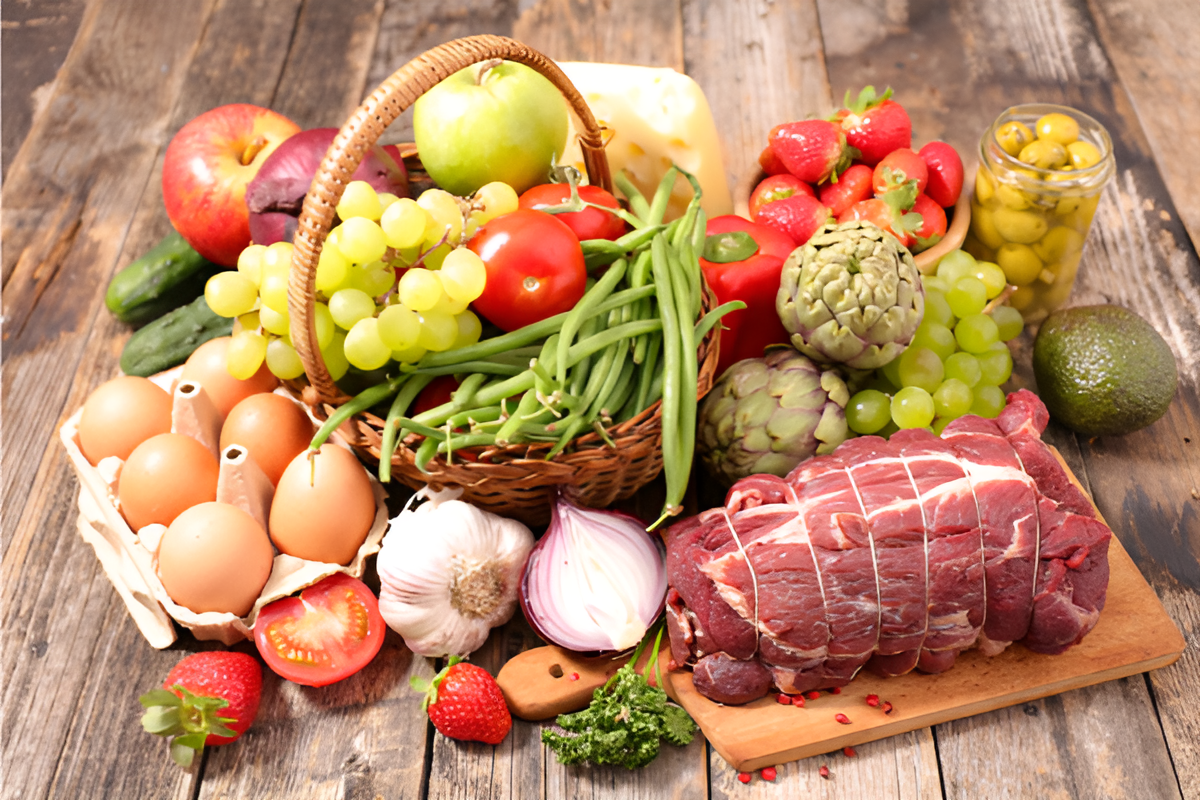
In an age of convenience and global trade, it’s easy to forget the benefits of eating seasonally and locally. Seasonal produce is fresher, tastier, and often more nutritious, as it’s harvested at its peak ripeness and consumed soon after. Local food, on the other hand, supports regional farmers, reduces the environmental impact of transportation, and keeps money within the community. Eating seasonally also reconnects us to the natural rhythms of the earth. In the summer, our bodies crave cooling foods like cucumbers and berries, while in winter, hearty root vegetables and legumes help sustain us. This harmony between food and season isn't just healthier—it's deeply satisfying. Furthermore, local markets and farm-to-table movements allow us to learn more about where our food comes from and how it’s grown, encouraging transparency and trust. By choosing seasonal and local foods, we make choices that benefit not only ourselves but also the planet and the people around us.

Social Connections

How Food Affects Mental Health

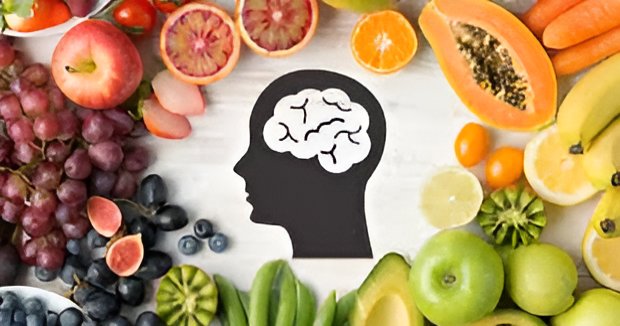
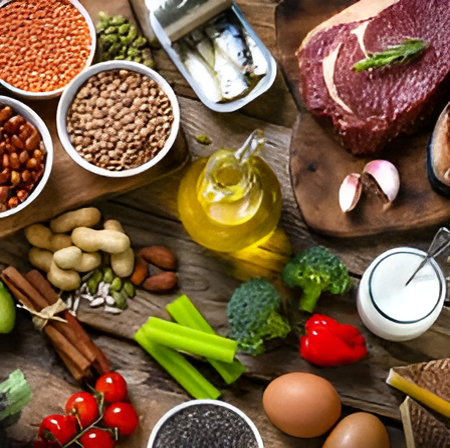
There’s growing evidence that what we eat significantly impacts how we feel mentally and emotionally. The gut-brain connection, a complex communication network between our digestive system and brain, plays a crucial role in our mood and cognitive function. Diets rich in whole foods—like leafy greens, fruits, nuts, fatty fish, and fermented items—can help reduce anxiety, depression, and brain fog. On the flip side, high consumption of processed foods, sugar, and unhealthy fats has been linked to poor mental health outcomes. Nutrients like omega-3 fatty acids, B vitamins, and antioxidants are essential for brain function and emotional regulation. Moreover, the act of preparing and sharing meals can be therapeutic, offering a sense of routine, creativity, and social connection. In a fast-paced world full of stressors, making mindful food choices isn’t just about physical health—it’s a form of self-care and mental resilience. Understanding the link between diet and mood empowers us to take control of our mental well-being in the most delicious way possible.

Share Your Story